
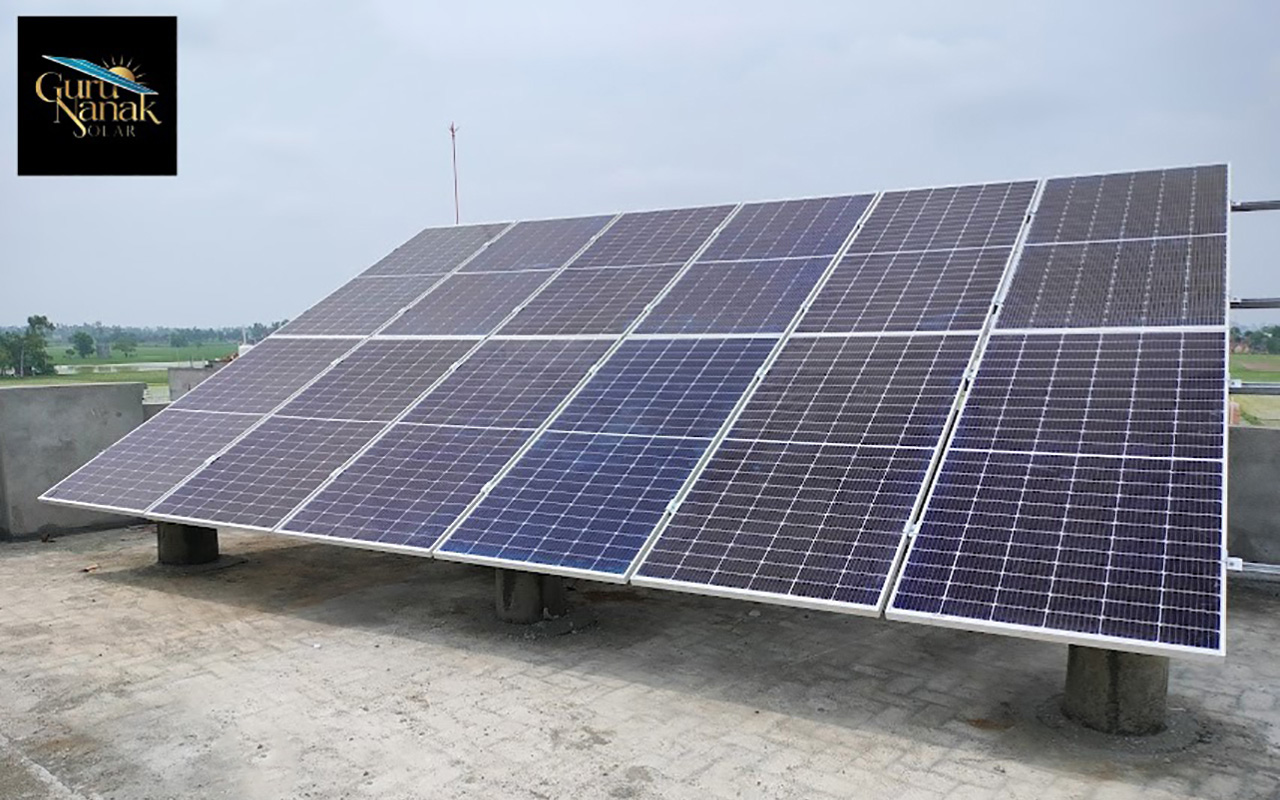
Residential solar panels offer several significant benefits, both financial and environmental. Here are some key advantages:
Solar panels generate electricity from sunlight, reducing or even eliminating your reliance on the grid. This can lead to substantial savings on monthly electricity bills, especially in areas with high electricity costs.
Solar power is a clean and renewable energy source. By using solar energy, you reduce your carbon footprint and contribute to a reduction in greenhouse gas emissions, helping combat climate change.
Solar panels allow homeowners to generate their own electricity, reducing dependence on utility companies. This independence is particularly valuable in areas with unstable electricity grids or frequent outages.
Homes equipped with solar energy systems often have higher property values. Many buyers are attracted to the prospect of lower energy costs, making solar-powered homes more desirable.
Solar panels have no moving parts, so maintenance is minimal. Most systems come with warranties of 20-25 years, and cleaning the panels occasionally is usually all that is required to keep them operating efficiently.
Many regions offer net metering programs where homeowners can sell excess electricity generated by their solar panels back to the grid, earning credits or even payments.
While the upfront cost of solar panels can be high, the long-term savings from reduced electricity bills can more than make up for the initial investment. Solar panels typically pay for themselves within 5-10 years, and after that, the electricity they generate is essentially free.
As energy prices rise, solar panels can provide a hedge against future electricity price hikes, offering stable and predictable energy costs.
Solar energy is renewable and abundant, helping to reduce the reliance on finite fossil fuels and promote sustainable energy practices.