
gurunanaksolar.com

ON-GRID SOLAR SYSTEM

1. Cost Savings

  • Reduction in Utility Bills : On-grid solar systems significantly decrease monthly electricity costs. By generating your own power, you rely less on your utility provider.
  • Long-Term Financial Benefits : The savings can accumulate to thousands of dollars over the lifespan of the solar panels (typically 25-30 years).

2. Net Metering

  • Selling Excess Energy : If your solar system generates more electricity than you use, you can feed that excess back into the grid. Utility companies typically compensate you at a rate close to what you pay for electricity.
  • Offsetting Costs : This compensation can offset future energy costs, allowing you to effectively run your meter backward, reducing your overall utility expenses.

3. Low Maintenance

  • Fewer Components : On-grid systems usually don’t include batteries, which are expensive and require maintenance. This leads to lower maintenance costs and hassle.
  • Durability of Equipment : Solar panels have no moving parts, which means they require minimal upkeep—just occasional cleaning to remove dust and debris.

4. Environmentally Friendly

  • Reduction in Carbon Footprint : By using renewable solar energy, you help decrease dependence on fossil fuels, leading to reduced greenhouse gas emissions.
  • Contribution to Sustainability : Supporting clean energy initiatives contributes to a more sustainable energy future and helps combat climate change.

5. Increased Property Value

  • Attractiveness to Buyers : Homes with solar installations are often more appealing to prospective buyers because of the potential for lower energy costs.
  • Higher Appraisal Values : Studies have shown that homes with solar panels typically sell for more than comparable homes without them.

6. Reliable Energy Supply

  • Grid Connection : On-grid systems provide a constant energy supply. If your solar production dips (like at night or during bad weather), you can draw power from the grid.
  • Avoiding Energy Storage Costs : You don’t need to invest in expensive battery storage systems to ensure energy availability.

7. Easy Installation

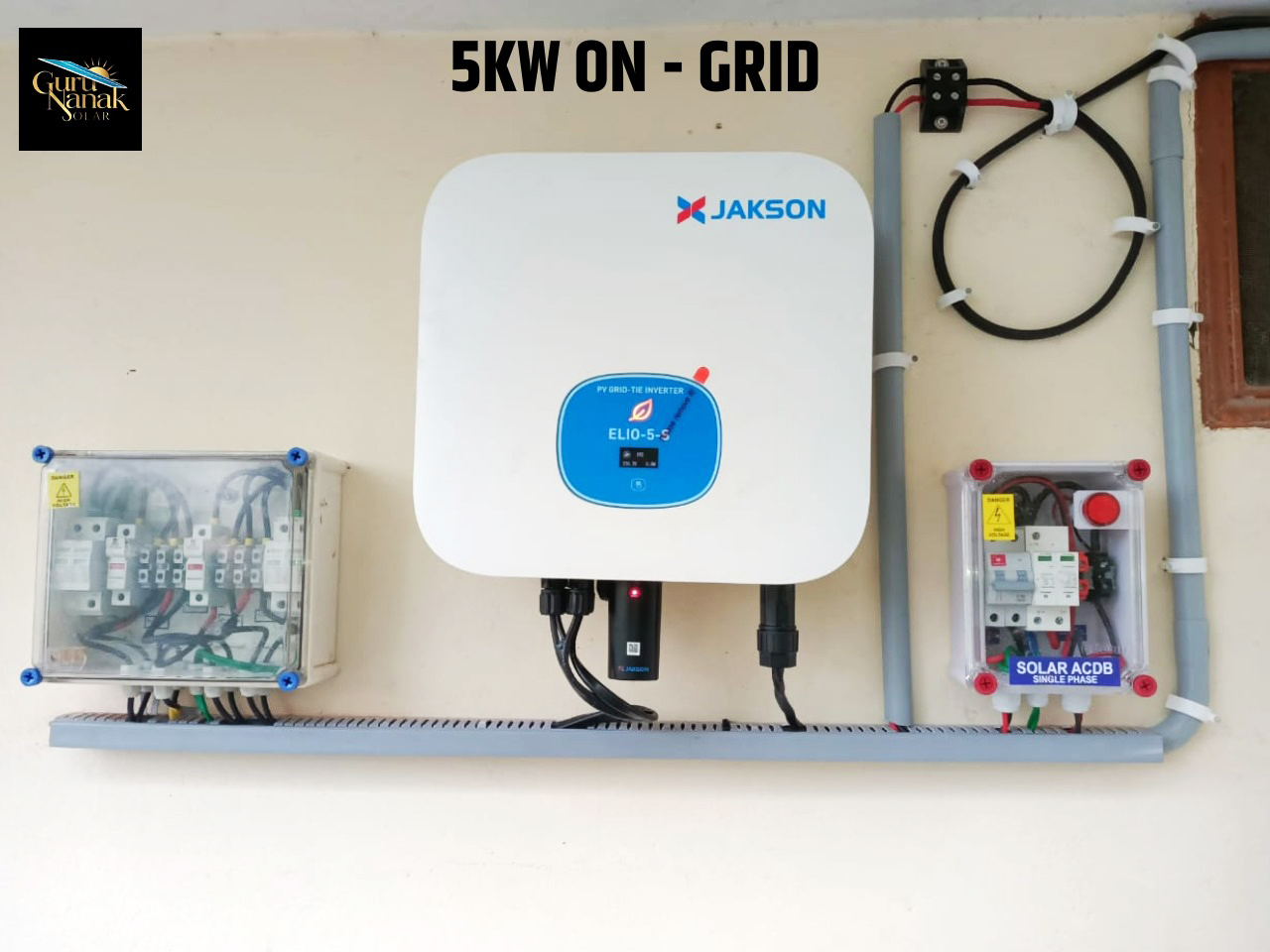
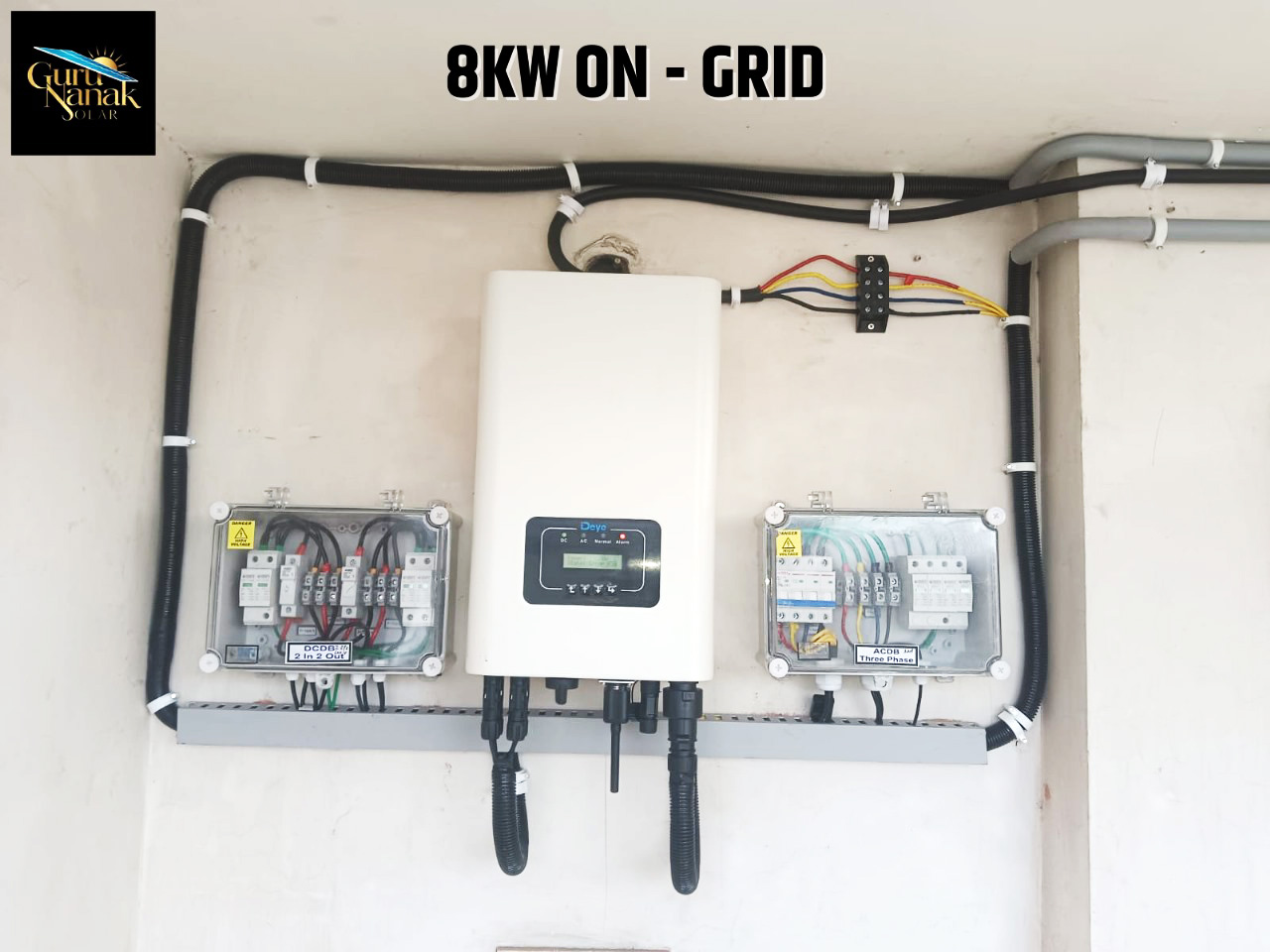
  • Simplified Setup : On-grid systems generally require less installation time and cost compared to off-grid systems that need extensive battery storage and equipment.
  • Less Infrastructure : Many on-grid systems can be easily integrated into existing electrical systems with minimal changes.

8. Incentives and Rebates

  • Government Programs : Various federal, state, and local incentives can significantly lower the upfront costs of solar installations.
  • Tax Credits : In many regions, solar installations qualify for tax credits, such as the federal Investment Tax Credit (ITC) in the U.S., which allows you to deduct a percentage of the installation costs from your federal taxes.

9. Scalability

  • Easily Expandable: : As your energy needs grow, you can add more solar panels to your system without needing to overhaul the entire setup.
  • Flexible Design : Systems can be tailored to your specific energy consumption patterns and can be adjusted as needs change.

10. Community Benefits

  • Support Local Energy Initiatives : By installing solar, you contribute to local renewable energy projects, enhancing energy independence for your community.
  • Grid Stability: More solar installations can help stabilize the grid by reducing peak demand, especially during hot summer months when air conditioning use is high.

Conclusion

On-grid solar systems offer a range of economic, environmental, and practical benefits. They provide an efficient way to harness solar energy while maintaining a reliable connection to the electrical grid. If you have specific questions or need guidance on choosing or installing an on-grid solar system, feel free to ask!

Scroll to Top